Opinion
Finding my 'Output' as a Student Developer
·5 min read
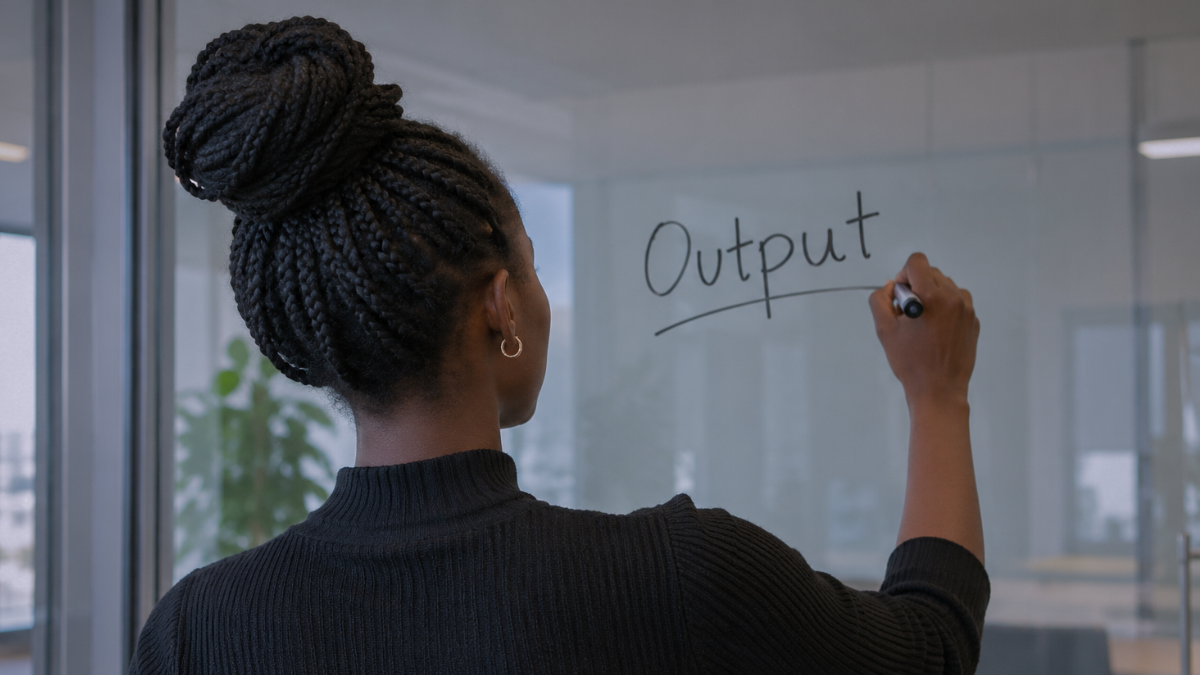
This picture reminds me of the exact journey it took to finally discover my place in the tech world.
For the first two years of my engineering degree, I was essentially a microcontroller sitting on a desk with no pins connected. I had the processing power, and I was doing the work, but I had little to no “output.”
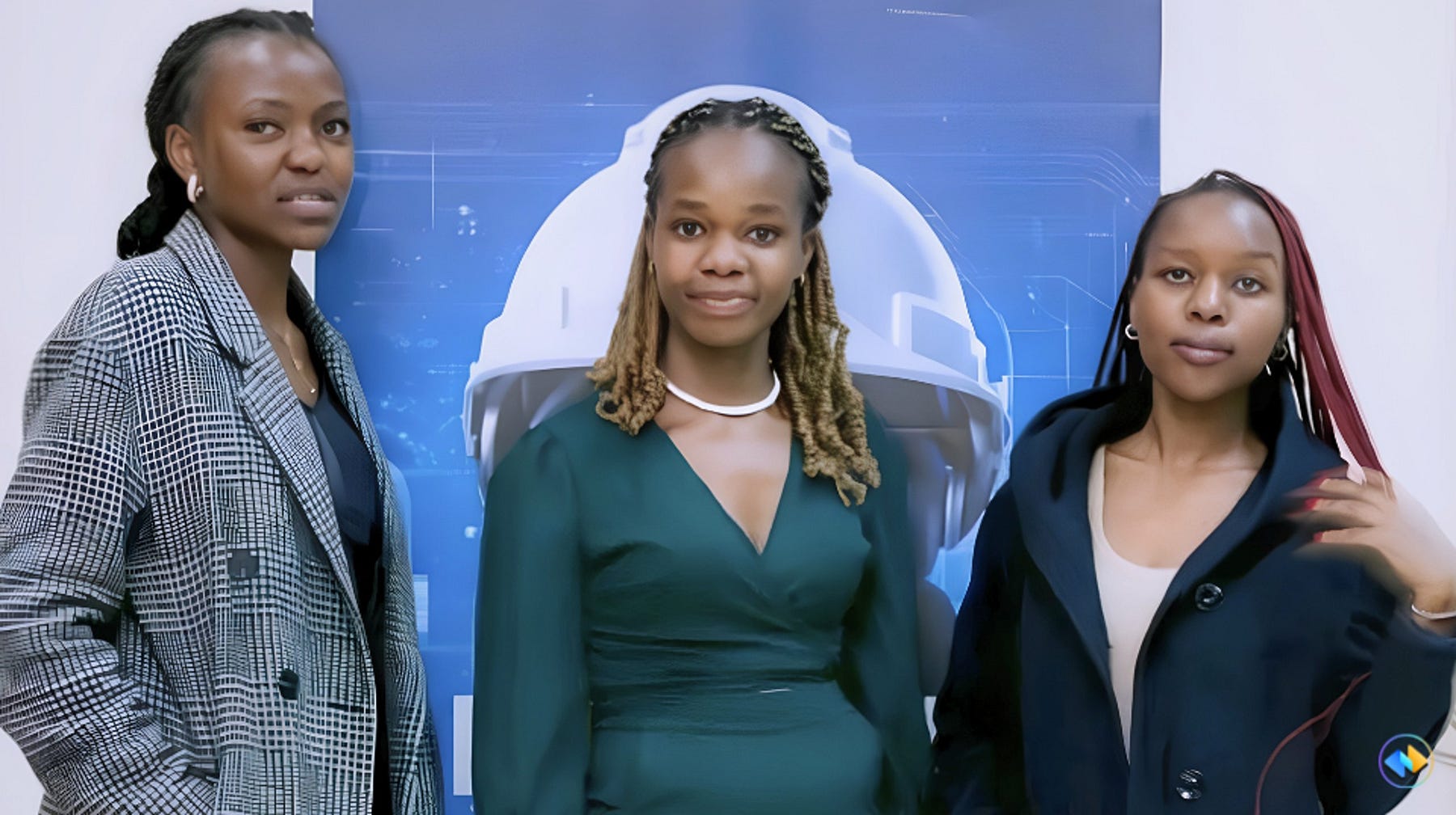
Joan and her friends attending the Wie Summit at Kenyatta Uni. (Source: Joan’s personal collection)
Landing in an Engineering Program after missing the university cluster points was a massive disappointment. I showed up to lectures, took my notes, and passed my exams, but I was just going through the motions. I was experiencing this massive disconnect — stuck in a sea of academic theory that felt completely separated from the real world.
This was not my initial plan.
But do I regret not taking a Medical Program? I can finally say, “Absolutely not.”
I ended up falling completely in love with Tech. That love, however, didn’t happen overnight.
The shift finally happened when I pushed myself to attend my very first tech event: The Women In Engineering (WIE) Summit at Kenyatta University. I walked into that room knowing just the bare basics of a few programming languages. I had never coded with any real passion. If not for the basic codes we were taught in class, I practically hadn’t coded at all. I had no strong “why”. I was just doing things for the sake of doing them — like a car stuck in neutral, burning fuel but going absolutely nowhere.
But seeing the ladies at the tech summit changed everything. I saw their projects. I heard their stories. I felt their passion. It was completely infectious.
During the hackathon, one developer in particular stood out: Liza Bambu. I watched her work and was completely captivated by how intentional and driven she was. I promised myself right then that I would connect with her, and made sure we stayed in touch. This was my first step in being a part of a real tech community. For the first time, I saw code actually step out of the terminal and become something real. It clicked for me: my frustration wasn’t a lack of passion for engineering; it was a lack of execution.
I didn’t want to just study systems on a whiteboard.
I wanted to build them.
That realization fueled an aggressive pivot, but I didn’t jump straight into complex hardware. I took it step by step, diving first into software development.
I was lucky enough not to walk that path alone. I met my mentor, Brian Oyamo, who literally held my hand through those early, frustrating days of learning how to build. His guidance gave me the push I needed to land a Power Learn Project scholarship, where I specialized in MERN stack development to make my foundation rock solid. Once I had a firm grip on building the software — from frontend to backend — I finally found my way to my roots, blending that code with the physical world through IoTs, hardware-to-cloud architectures, and finally into robotics.
As I found my technical footing, I looked around and realized how many of my peers were still stuck in that exact same “theory trap” I had just escaped. I realized that if I was going to build systems, I needed to help build communities too. Stepping into leadership roles for campus tech communities allowed me to help bridge that gap for others. We decided to stop just talking about the industry and start interacting with it directly — which recently led us to organize a 3-day industrial visit to Safaricom headquarters.
The goal was simple: take isolated, brilliant students and plug them directly into the networks that actually matter.
Yet, even with strong technical foundations and a growing community, I noticed a critical missing piece. Being a capable engineer isn’t just about the code or even the network. Let’s be honest for a second — how many of you reading this find it incredibly hard to communicate? Or, let me put it in a different way: how many of you have been in leadership spaces (say, as a secretary or a technical lead) where you are constantly hidden behind the scenes?
You only ever talk in Google Meets, WhatsApp groups or Zoom meetings, never actually having the platform or the confidence to address your members face-to-face.
And taking it a step further: how many of you have failed a technical pitch — not once, not twice — simply because you didn’t know how to sell the actual value of your product?
This is exactly where my current journey with mentorship programs comes in. They recognize that technical students have a massive skills gap when it comes to holistic, human-centered execution. Their core pillars hit the exact pain points, I, and so many other student developers, face:
● Professional & Personal Development: Learning that writing code is useless if you can’t confidently communicate your ideas. This pillar is about nurturing human skills and building excellence for professional settings.
● Innovation & Industry-Relevant ICT: Shifting the mindset from just “building a cool project” to using human-centered design to address real socioeconomic issues. It is about learning how to finally nail that pitch and sell a product’s true value.
● Community Engagement & Scholarship: Stepping out from behind the screen to foster actual immersion in the local tech ecosystem, while also empowering success in funding and academia.
To any student developer currently feeling lost in the theory: stop waiting for the curriculum to hand you a purpose.
Build something out of your depth.
Reach out and expose yourself to the community.
A wise person once told me,
"You won’t discover what you are truly capable of until you have the courage to plug yourself in."
Share this blog
Written by Ouma Joan Akello
Joan Ouma is an IoT full-stack developer who bridges the gap between physical hardware and scalable cloud infrastructure. She writes engaging content that makes deploying resilient, complex systems much more accessible and is a tech writer at Wecncode.
More from Ouma Joan Akello